
Betting App Payment Methods: Mobile Deposits and Withdrawals
 Available in US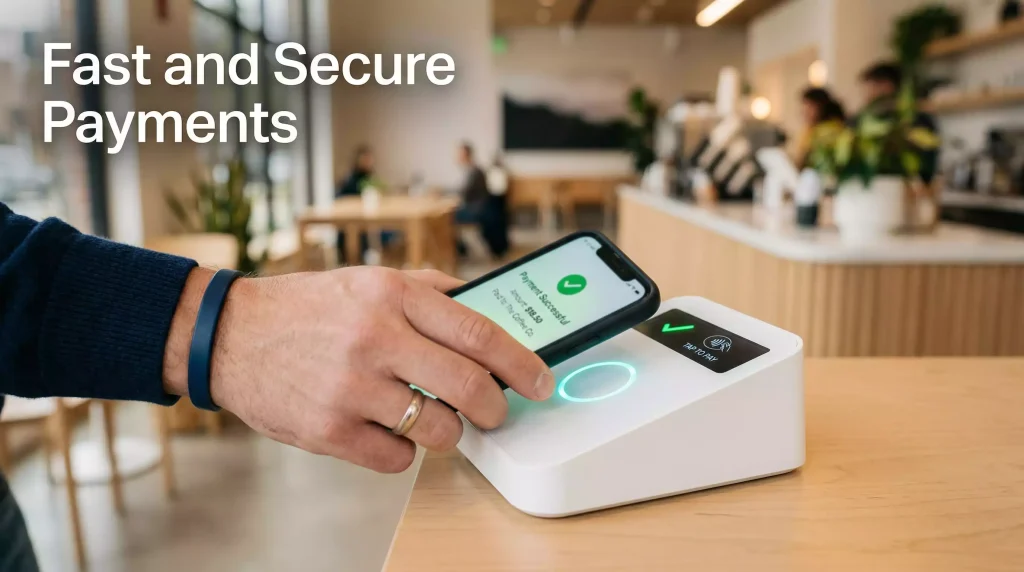
Mobile Betting Payments: Fast Deposits and Withdrawals
Payment methods determine how smoothly money flows into and out of betting accounts. The right choices enable instant deposits before race time and rapid access to winnings after. Poor choices create delays, fees, and frustration that undermine betting experience. In fast, out faster — payment options ranked.
With 13.5 million active online betting accounts across the UK market, payment infrastructure handles enormous transaction volumes daily. Major betting apps support multiple deposit and withdrawal methods, though availability, speed, and costs vary between options and between operators.
Mobile-native payment methods have transformed betting convenience. Apple Pay and PayPal appear across virtually all major platforms, enabling deposits without entering card details or navigating banking apps. This seamless integration suits mobile betting’s on-the-go nature while maintaining transaction security.
This guide examines payment options available across racing betting apps, comparing deposit speed, withdrawal times, associated fees, and security considerations that inform method selection for racing punters.
Deposit Methods Compared
Debit cards remain the most common deposit method, accepted universally across UK betting apps. Visa and Mastercard process instantly in most cases, with funds available for betting within seconds. Credit card gambling is banned in the UK, so only debit cards function for direct card deposits.
Apple Pay dominates iOS device deposits. The method appears at approximately nine out of ten major betting apps, processing through existing card linkages without requiring manual entry. Face ID or Touch ID authentication provides security while maintaining speed. Deposits complete instantly, making this ideal for race-day betting when time pressure matters.
Google Pay serves Android users equivalently. Coverage matches Apple Pay across major platforms, with similar instant processing and biometric authentication. The method suits users who prefer not sharing card details directly with betting operators.
PayPal provides e-wallet functionality with widespread acceptance. Linking PayPal to betting accounts enables deposits without exposing underlying bank or card details. Processing is typically instant, though first-time linkage requires additional verification steps. PayPal’s buyer protection policies add security layer beyond what direct card transactions provide.
Bank transfers work universally but slowly. Traditional bank transfers take hours or days to process, making them unsuitable for time-sensitive betting needs. Faster Payments has reduced delays, but the method still lags behind card and wallet options for most practical purposes.
Paysafecard and similar prepaid options suit those wanting spending control. Purchasing fixed-value vouchers limits deposit amounts to predetermined sums, preventing impulsive overspending. Processing is instant once voucher codes are entered. These methods particularly suit punters implementing strict bankroll management.
Minimum deposit amounts vary between methods and operators. Card deposits often start from £5 or £10; some methods require higher minimums. Checking specific requirements before attempting deposits prevents rejected transactions and ensures chosen methods suit intended deposit amounts.
Withdrawal Options and Speed
Withdrawal speed varies dramatically between methods, operators, and individual circumstances. Understanding realistic timelines prevents frustration when accessing winnings takes longer than expected.
E-wallet withdrawals typically process fastest. PayPal, Skrill, and similar services often complete within hours, sometimes instantly. These methods benefit from streamlined verification processes and direct operator-wallet connections. For punters wanting fastest access to winnings, e-wallets represent the optimal choice.
Debit card withdrawals take longer despite instant deposits. Processing typically requires 1-3 working days, with some operators extending to 5 days. The asymmetry frustrates punters accustomed to instant deposits, but reflects different underlying transaction mechanisms.
Bank transfers run slowest among standard options. Expect 3-5 working days for traditional transfers, though Faster Payments availability continues improving. Large withdrawals sometimes route through manual review, extending timelines further.
First withdrawal verification often delays initial requests. Operators verify identity before processing first withdrawals, sometimes requiring document submission. Completing verification proactively — before attempting withdrawal — eliminates this delay when winnings arrive. Upload identification documents during registration rather than waiting for withdrawal requests.
Withdrawal method restrictions apply at some operators. You may be required to withdraw via the same method used for deposits, at least up to deposited amounts. Winnings exceeding deposits might allow alternative withdrawal routes.
Request timing affects processing. Withdrawals requested on Friday evenings may not process until Monday; those submitted during business hours often complete faster. Factoring in processing schedules when timing withdrawal requests prevents unnecessary waiting.
Pending periods allow cancellation at some operators. Withdrawals may sit in pending status for hours before processing begins, enabling punters to reverse requests and continue betting. Whether this feature helps or hinders depends on individual discipline.
Fees and Limits
Most major UK betting apps impose no fees on standard deposits or withdrawals. Competitive pressure eliminates charges that would disadvantage operators against fee-free alternatives. However, exceptions exist that warrant careful attention before committing to specific payment methods.
Currency conversion fees apply when betting in currencies different from payment method denomination. UK punters using GBP accounts rarely encounter this, but international payment methods may trigger conversion charges.
Minimum withdrawal amounts prevent tiny cash-outs. Typical minimums range from £5 to £20 depending on operator and method. Balances below minimum thresholds remain in accounts until accumulation permits withdrawal.
Maximum limits constrain large transactions. Single withdrawal limits might cap at £10,000 or £20,000; daily or weekly maximums may apply cumulatively. Large winners requiring substantial withdrawals may need multiple transactions over extended periods.
Deposit limits relate to responsible gambling rather than payment method constraints. Self-imposed limits control spending; these differ from payment method maximums that reflect transaction processing capabilities.
Inactive account fees appear at some operators. Accounts dormant for extended periods — typically 12+ months — may incur monthly charges that gradually deplete balances. Checking terms regarding inactivity fees prevents unexpected balance erosion.
Failed transaction charges occasionally apply. Rejected deposits due to insufficient funds or expired cards might trigger small fees, though this practice is uncommon among major UK operators.
Security Considerations
Payment security matters significantly when moving money through betting apps. Licensed UK operators must meet regulatory standards for financial transaction handling, but individual practices affect practical security levels.
Strong Customer Authentication (SCA) requirements apply to most transactions. Two-factor verification — typically combining something you know (password) with something you have (phone) or are (biometrics) — protects against unauthorised access.
E-wallets add security layers by insulating bank details from operators. PayPal transactions do not expose underlying card or account numbers; operators see only e-wallet identifiers. This separation limits exposure if operator systems experience breaches.
Biometric authentication through Apple Pay and Google Pay provides strong protection. Face ID, Touch ID, or fingerprint verification prevents unauthorised device users from completing transactions even with unlocked phones.
Avoiding public WiFi for transactions reduces interception risk. Mobile data connections provide more secure transaction environments than shared networks where traffic monitoring might occur.
Monitoring statements identifies unauthorised activity early. Checking bank and card statements regularly catches unexpected charges before problems compound. Prompt reporting to operators and financial institutions enables faster resolution.
Operator security records inform platform selection. Researching whether operators have experienced data breaches, and how they responded, indicates security culture. Major UK-licensed operators generally maintain strong security practices, though ongoing vigilance remains appropriate.
Two-factor authentication on betting accounts adds protection beyond payment security. Enabling 2FA through app settings prevents account access even if passwords become compromised, protecting both funds and personal information stored within accounts.
